
How Do I Talk About Donations During Black Friday Without Looking Opportunistic?
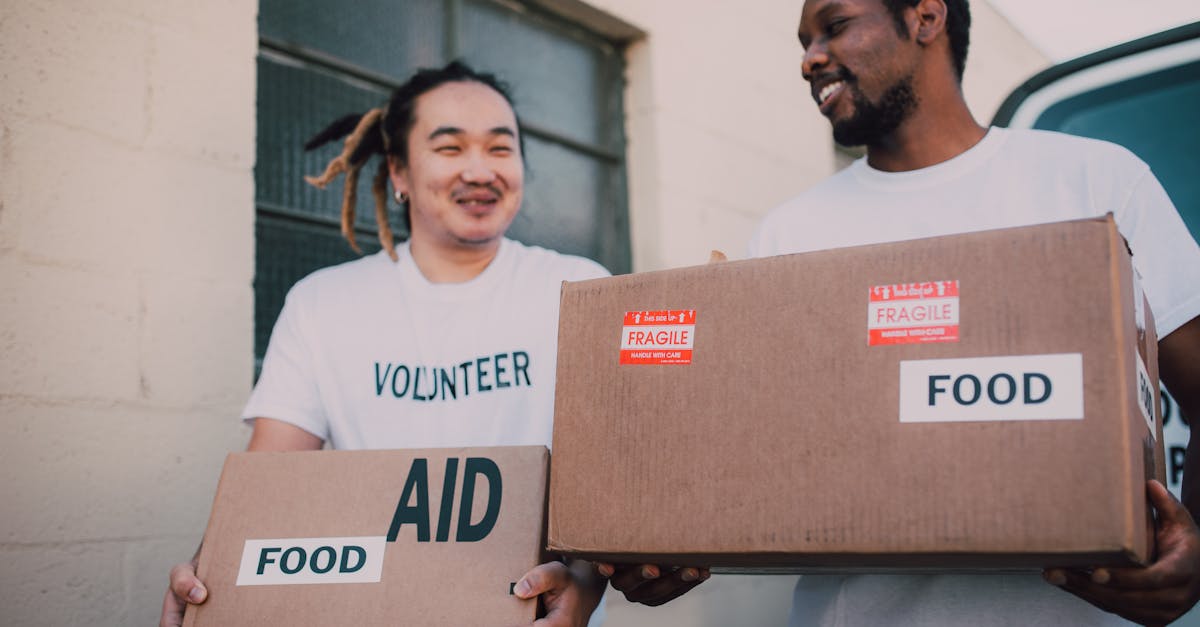
How to talk about donations during Black Friday without looking opportunistic
The cleanest way to talk about donations during Black Friday is to lead with consistency, clarity, and customer choice instead of hype. Shoppers are already seeing discounts, countdown timers, and urgency everywhere. A donation message lands better when it feels steady and specific, not like a seasonal costume your brand put on for one weekend.
That means a few things. Name the cause. Explain whether the donation is brand-funded or customer-funded. If customers can participate, make the ask optional and low pressure.
For a store on OpoShop, that usually means keeping the sale separate from the giving ask. Let shoppers buy the discounted product, then choose at checkout whether to round up to the next dollar or add $1, $2, or $5 through the normal checkout flow.
If you want to involve shoppers without adding a second payment step, checkout donations are usually the cleanest fit for Black Friday.
What does opportunistic Black Friday donation messaging look like?
Opportunistic Black Friday donation messaging usually feels vague, loud, and self-congratulatory. It asks shoppers to feel good without giving them enough detail to trust what is happening.
You can usually spot it fast. The message leans hard on emotion, but stays fuzzy on mechanics. It says things like “shop for good” or “every order helps” without naming the charity, the amount, the timing, or what happens after the sale.
It also tends to bundle the cause into the promotion in a way that feels slippery. A brand says “50% off everything and we’re giving back,” but never explains whether that means $0.25 per order, 5% of profits, or a capped total that runs out after 100 orders.
Here’s the difference in plain English:
Weak: “Black Friday is here. Shop now and help us make a difference.” Stronger: “This Black Friday, every shopper can choose to round up to the next whole dollar or add $1, $2, or $5 at checkout for our long-term charity partner. Donations are processed in our normal checkout, tracked per order, and remitted after the campaign.”
The first version asks for trust. The second version earns it.
For OpoShop merchants, this matters even more because checkout messaging sits close to the point where shoppers decide whether to finish the order. If the ask feels murky or pushy, it does not just hurt the donation. It can hurt the sale.
Why does this matter for small ecommerce brands?
This matters for small ecommerce brands because Black Friday makes every message louder. Good intent gets noticed. So does anything that feels forced.
A small brand does not have the margin for trust damage. If a shopper already likes your products, they may forgive a clumsy banner in July. During Black Friday, with discounts flying and inboxes packed, shoppers are more skeptical. They are looking for the catch.
That is why cause messaging has to stay grounded. A clean message says, “Here is the cause, here is your option, here is where the money goes.” A messy message says, “Please feel inspired while we also push a 30% off sale, a countdown timer, and three popups.”
The checkout experience matters too. If you sell on OpoShop, a donation ask works better when it stays inside the buying flow instead of sending people to a separate donation page. A second payment step can feel like extra work at the exact moment shoppers want the path to stay simple.
There is also a brand values piece here. If your store already supports a cause year-round, Black Friday is a good time to mention that commitment. If the cause appears out of nowhere for one weekend, shoppers will notice that too.
How do I talk about donations during Black Friday in a credible way?
Credible Black Friday donation messaging is plain, specific, and easy for a shopper to say yes to or skip. The tone should feel like an invitation, not a guilt trip.
The easiest way to build that kind of message is to decide the structure first, then write the copy around it. If the structure is clean, the words get easier.
1. Frame the cause as ongoing, not seasonal
The strongest message is usually the quietest one: this cause matters to your brand before Black Friday and after Black Friday. That single framing choice changes the whole feel of the campaign.
A good line sounds like this: “We support X organization year-round, and during Black Friday shoppers can join that effort at checkout if they want to.” That sounds steady. It does not sound like borrowed purpose.
2. Explain the ask in one sentence
Shoppers should understand the donation option in one pass. If they need to decode it, the copy is doing too much.
Try something this direct: “At checkout, you can round your order up to the next dollar or add $1, $2, or $5 for our charity partner.” For an order total of $42.35, round-up means $0.65. For an order total of $78.10, round-up means $0.90.
3. Keep the sale and the donation ask distinct
This is the part a lot of brands miss. A discount is a promotion. A donation is participation. They should sit next to each other, not blur into each other.
If your OpoShop store is running 25% off sitewide, let that stand on its own. Then let the shopper choose whether to add a donation at cart or checkout. The separation makes the message feel cleaner and more honest.
4. Be transparent about what happens after checkout
Transparency is not a slogan here. It is the mechanism.
If you are using a checkout donation setup, say that donations are tracked per order and included in a remittance report for what gets paid to the cause. That kind of detail tells shoppers there is a real ledger behind the message, not just a nice sentence in a banner.
For brands that want a cleaner way to explain the ask and the follow-through, this is where a checkout donation tool can help.
What are the best ways to structure a Black Friday giving message?
The best structure depends on how visible, optional, and provable you want the donation to be. For most small brands, optional checkout giving is the easiest format to explain without sounding performative.
Here is the tradeoff across the three most common approaches:
| Format | Profit-based donation | Checkout round-up | Fixed checkout add-on |
|---|---|---|---|
| What shoppers hear | “We’ll donate part of sales” | “You can round up your order” | “You can add $1, $2, or $5” |
| Trust level | Lower if details are vague | High because the amount is visible | High if the ask stays optional |
| Black Friday fit | Can feel fuzzy during heavy discounting | Strong for low-pressure participation | Strong if amounts stay small |
Profit-based donations can work, but the wording has to be very tight. If you say “a portion of profits,” shoppers may wonder what that means after discounts, shipping, and ad costs. If you use this format, spell it out.
Checkout round-up is often the least loaded option. A shopper with a $63.40 cart can round up by $0.60. A shopper with a $19.15 cart can round up by $0.85. The amount feels small, visible, and voluntary.
Fixed add-on donations work well too, especially if you keep the choices simple. $1, $2, and $5 are easy to read and easy to decide on. For many OpoShop merchants, offering both round-up and fixed amounts gives shoppers a low-pressure choice without making the checkout feel crowded.
Storefront impact messaging can support any of these structures, but it should stay factual. “Shoppers have raised $842 so far” is clean. “Together we’re changing the world this weekend” is where things start to wobble.
What common mistakes make Black Friday donation campaigns feel performative?
Performative Black Friday donation campaigns usually fail in predictable ways. The problem is rarely the idea of giving. The problem is how the message is framed.
A few mistakes show up again and again:
- Vague claims: “A portion will be donated” leaves too much unsaid.
- Cause mismatch: A charity with no visible link to the brand can feel random.
- Inflated language: Big moral language around a tiny or unclear donation amount creates tension.
- Hidden details: If shoppers have to hunt for where the money goes, trust drops.
- Pressure tactics: Copy that makes shoppers feel guilty for not donating can hurt conversion.
Another mistake is tying the cause too tightly to the discount. “Buy more to care more” is the kind of line that can backfire fast. Black Friday already has enough urgency built in. You do not need moral urgency stacked on top of sales urgency.
A better move for a store on OpoShop is to keep the donation option present but calm. Mention it on the cart, mention it in a short checkout note, and mention the cause on the storefront if that fits your brand. Then let the shopper decide.
If you want shoppers to participate without a separate donation page or clunky workaround, there is a cleaner path.
What do we recommend for most small DTC brands?
For most small DTC brands, we recommend keeping the sale and the donation ask distinct, making the donation optional at checkout, and being very clear about how the money is tracked and remitted. That setup is easier to trust, easier to explain, and easier for shoppers to say yes to.
If you already support a charity, Black Friday is a fine time to mention it. You do not need to wait for Giving Tuesday. You just need to talk about the cause like it belongs to your brand all year, not like it appeared because holiday traffic went up.
In practical terms, the cleanest version usually looks like this in a OpoShop store:
- Run your sale normally: Keep your 20% or 25% discount messaging separate from the donation ask.
- Offer optional checkout participation: Let shoppers round up or add $1, $2, or $5.
- Use the normal checkout flow: Do not send shoppers to a second payment page.
- Track every donation clearly: Use a per-order donation ledger and a remittance report.
- Share real impact carefully: An optional storefront counter can show what shoppers raised together without making claims that are bigger than the numbers.
This approach also answers a common worry: “Will asking for donations hurt what is already working?” Usually, the answer is no if the ask is optional, small, and clearly explained. A round-up of $0.48 or $0.92 feels very different from a hard sell.
Best answer: For most brands, the most trustworthy Black Friday donation message is simple: keep your discount separate, invite shoppers to round up or add a small optional donation in checkout, and show exactly how those funds are tracked and remitted to the cause. If your giving already belongs to your brand outside Black Friday, the message feels natural during Black Friday too.
A lot of OpoShop merchants do not need more campaign language. They need a cleaner mechanism. That is usually what makes the copy feel believable.
FAQs
Should I run a donation campaign during Black Friday or wait for Giving Tuesday?
You can do either, but Black Friday works well if the cause is already part of your brand and the message stays grounded. Giving Tuesday is more cause-focused, while Black Friday needs cleaner separation between the sale and the donation ask.
How do I explain checkout donations to customers without sounding pushy?
Use one plain sentence and keep the choice optional. “At checkout, you can round up your order or add $1, $2, or $5 for our charity partner” is usually enough.
How transparent should I be about where customer donations go?
You should be very transparent. Name the cause, explain that donations are tracked per order, and say when or how the funds are remitted.
Is it better to donate from profits or ask customers to donate at checkout?
For Black Friday, optional checkout donations are often easier to trust because shoppers can see the amount and choose it directly. Profit-based donations can work, but only if the wording is very specific.
Can I show customers how much we have raised together on my storefront?
Yes. A storefront counter can work well if it shows a real running total and does not turn into inflated impact language.
Should I mention our charity partnership during Black Friday at all?
Yes, if the partnership is real and ongoing. A short, factual mention during Black Friday can strengthen trust, while a sudden one-weekend cause tie-in can feel opportunistic.
If you want a cleaner way to let shoppers participate in your giving during Black Friday, see how checkout donations and round-up can fit naturally into your store.


